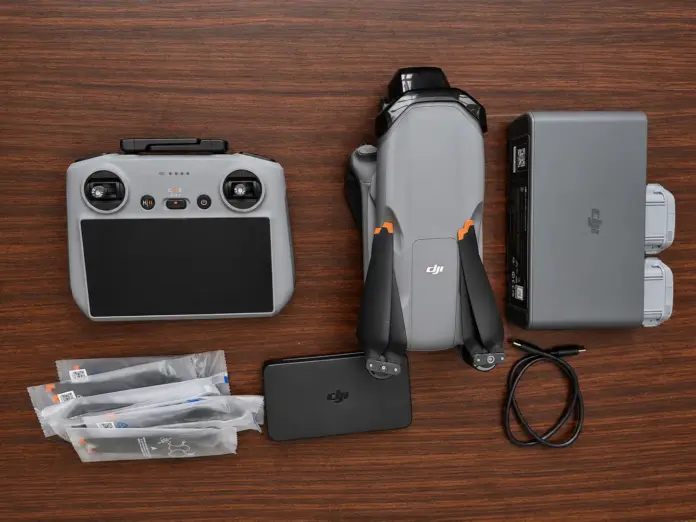

Every drone has the potential to capture something interesting, but the real value comes from how we use it. For me, choosing the DJI Air 3S was not just about buying a drone with a good camera. It was about exploring aerial photography, learning to create better videos, and discovering what I could do with drone technology.
I wanted a drone that would help me explore different creative possibilities while giving me room to improve my skills. I also wanted to build something around that learning process through AerialGO, where I could share practical information, tutorials, tests, and the results of my experiments.
In this article, I will explain why I chose the DJI Air 3S, what attracted me to it, and what I want to create with it in the coming months.
Table of Contents
1. Why I Wanted to Get Into Aerial Photography
One of the main reasons I became interested in drones was the different perspective they offer.
From the ground, we see a building, road, landscape, or property from a limited number of viewpoints. An aerial view can reveal the relationship between different objects, the layout of an area, patterns in the landscape, and details that are difficult to appreciate from ground level.
I wanted to explore this perspective and learn how to turn it into useful photographs and engaging videos.
Aerial photography is not simply about taking a drone high into the sky and pressing the shutter button. The position of the drone, the direction of the light, the composition, the camera settings, and the choice of subject all affect the final result.
I want to learn how these elements work together and how small changes in position or framing can improve an image.
My goal is to develop a better understanding of photography while learning to use the drone safely and confidently.
2. Why I Chose the DJI Air 3S?
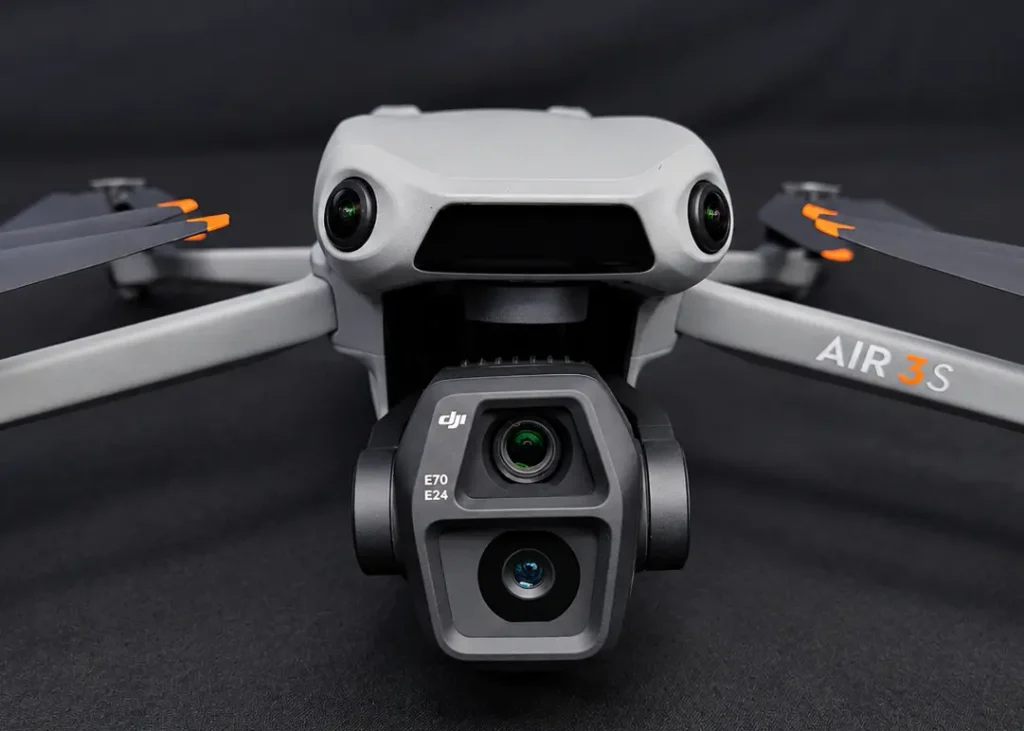
After considering what I wanted to explore, I chose the DJI Air 3S.
One of the main attractions was its camera system. The DJI Air 3S has a wide-angle camera and a medium telecamera, giving me different options for framing subjects and capturing scenes.
The wide-angle camera is useful when I want to show more of a landscape, a building and its surroundings, or a wider view of a location. The medium telecamera gives me another perspective when I want to frame a subject differently or make the subject stand out against its surroundings.
Having these two options in one drone gives me more opportunities to experiment with composition.
Another reason was the range of creative and intelligent features available on the DJI Air 3S. I wanted to explore its photography and video capabilities, understand its flight functions, and learn which features are genuinely useful in different situations.
However, I did not choose the drone because I expected to master everything immediately. I chose it because I wanted equipment that would support my learning and give me different skills to work towards.
For me, the DJI Air 3S is a tool for learning, experimenting, and gradually improving my work.
3. I Want to Learn More Than Just Flying
Flying a drone is an important skill, but it is only one part of creating good aerial content.
I want to understand the complete process, from preparing for a flight to selecting the best images and editing the final video.
That includes learning how to:
- Perform pre-flight checks and prepare the drone for a safe flight.
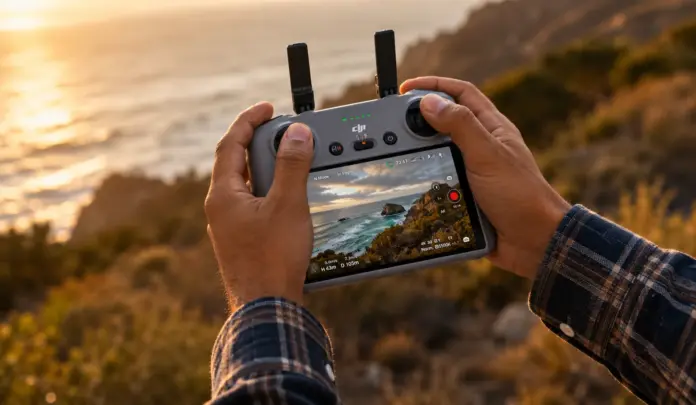
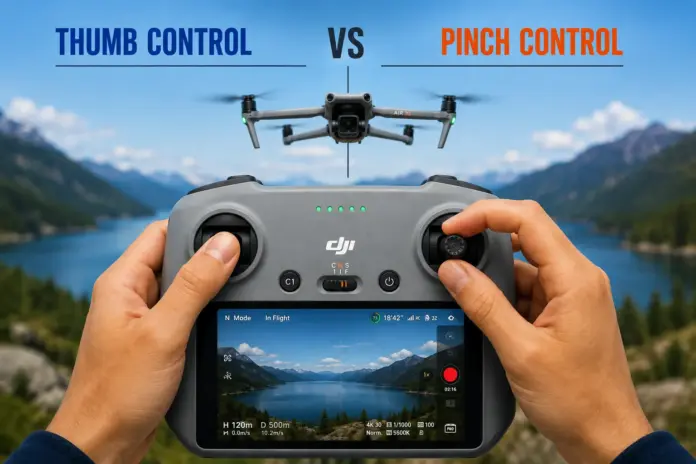
- Understand the DJI RC 2 controller and important flight settings.
- Choose appropriate camera settings for different lighting conditions.
- Capture sharp photographs with good composition.
- Record smooth video with controlled drone movements.
- Understand when different camera views and focal lengths are useful.
- Edit photographs and videos to improve their presentation.
- Review my results and identify what I could do better next time.
Some of these skills require repeated practice. A movement that looks simple in a finished video may take several attempts to perform smoothly.
I want to practice individual skills, compare the results, and share what I learn along the way.
Rather than showing only the final footage, I also want to explain the decisions behind it. I believe that approach can help other drone owners understand not just what a shot looks like, but how they can work towards capturing something similar.
4. My Goal Is to Create Better Drone Photography and Videos
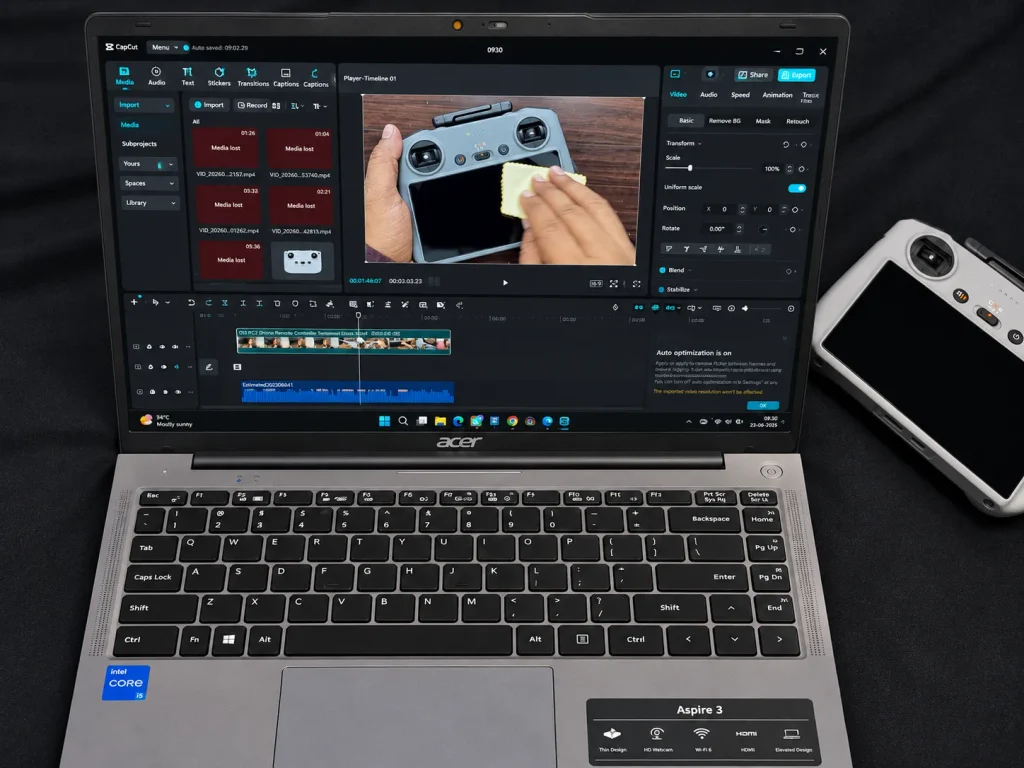
One of my first goals is to improve my aerial photography and videography.
I want to practice different compositions, including wide establishing shots, top-down views, leading lines, reveal shots, pull-away movements, and controlled orbits around suitable subjects.
Each technique serves a different purpose. A wide shot can establish the location, a top-down view can reveal patterns, and a carefully planned reveal can introduce a subject in a more interesting way.
I also want to understand the relationship between camera settings and the final image.
For photography, that means learning about exposure, ISO, shutter speed, aperture, white balance, and RAW versus JPEG. For video, I want to explore resolution, frame rate, shutter speed, color profiles, and the appropriate use of ND filters.
I do not expect every flight to produce perfect footage. The purpose of these exercises is to understand what works, recognize mistakes, and improve with experience.
Over time, I want to build a collection of original aerial photographs and videos that demonstrates my progress and gives me material for future projects.
5. Why I Want to Share My Learning on AerialGO
I started developing AerialGO as a place to share information about drones, their technology, practical uses, and the process of creating aerial content.
I want the website and YouTube channel to be useful for people who are learning about drones, especially those who want straightforward explanations rather than complicated technical language.
My plan is to create content around real questions that drone owners encounter.
For example:
- How should you prepare your drone before takeoff?
- Which camera settings should a beginner learn first?
- How can you capture smoother aerial video?
- What should you consider before buying drone accessories?
- How do you plan a drone photography shoot?
- How can drone images be used to create maps and 3D models?
Whenever possible, I want to support explanations with original photographs, screenshots, practical tests, and demonstrations.
I also want to be clear about the difference between something I have tested personally and something I am still researching. If I am learning a new technique, I will explain the process and show the results rather than presenting myself as an expert in that subject.
My aim is to make AerialGO a useful learning resource built around practical experience.
6. Exploring Real Estate Drone Photography
Another goal is to explore how drones can be used for real estate photography.
Aerial photographs can help show a property’s overall layout, the building’s position on the plot, access roads, outdoor spaces, and the surrounding area. Carefully planned video can also provide a broader view of the property.
I want to learn how to plan a property shoot, prepare a shot list, select useful camera angles, and deliver photographs and videos that meet a client’s requirements.
A professional shoot involves more than capturing attractive images. It also requires checking whether the flight is permitted, considering nearby people and obstacles, obtaining relevant permissions, understanding the client’s expectations, and delivering the agreed files on time.
My intention is to develop these skills gradually and document genuine practice sessions and projects as I gain experience.
I want AerialGO to reflect that progression, from learning individual techniques to understanding how those techniques fit into a complete photography workflow.
7. I Also Want to Explore Drone Mapping and 3D Modelling
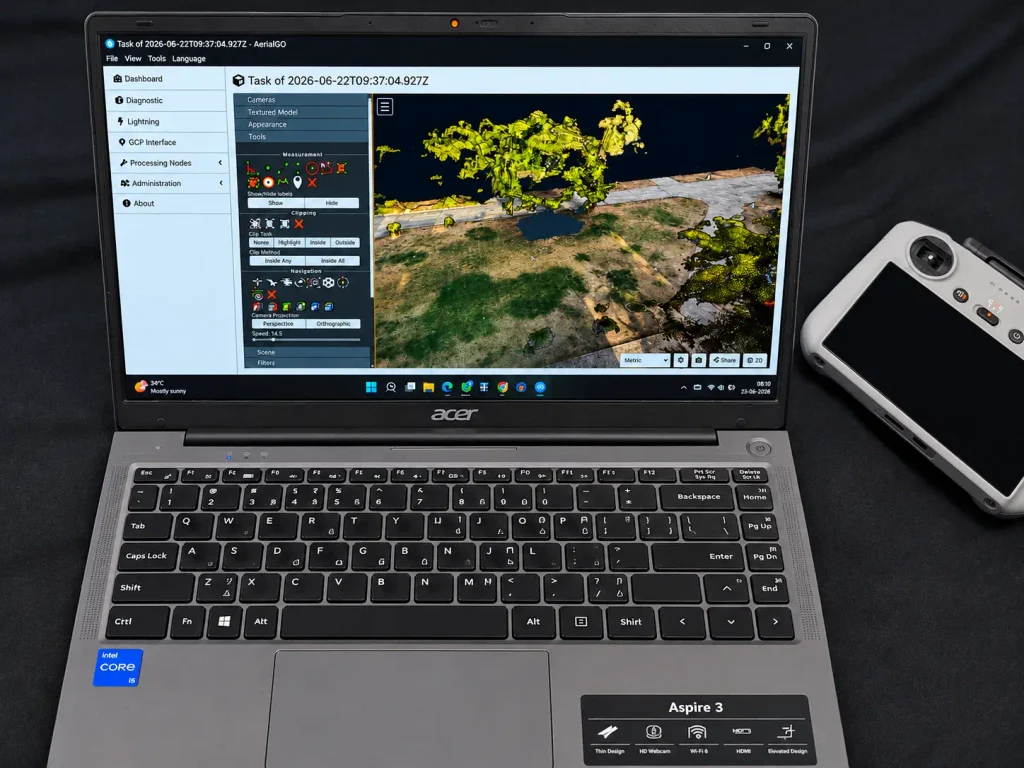
Photography and videography are important parts of my journey, but I am also interested in the technical applications of drones.
One area I want to explore further is photogrammetry. This process uses overlapping photographs to reconstruct information about a subject or area and can produce outputs such as 3D models, point clouds, and orthomosaics when the data and processing workflow are suitable.
I also want to learn more about digital surface models (DSMs), digital terrain models (DTMs), digital elevation models (DEMs), image overlap, ground sampling distance, and mapping quality checks.
A future learning project will involve understanding how to plan an appropriate image-capture workflow, process the images using software such as WebODM, and inspect the resulting outputs.
The DJI Air 3S can be a starting point for learning about image-based 3D reconstruction and photogrammetry. However, it is important to recognize that a model that looks convincing on a screen is not automatically an accurate survey product.
Mapping accuracy depends on several factors, including image quality, flight planning, camera geometry, georeferencing, ground control where required, independent checkpoints, and the processing method.
As I gain experience, I also want to explore how drone mapping is used in construction monitoring, site documentation, and other applications. These are learning goals, and I will share the methods and results as I work through them.
8. My Long-Term Vision for AerialGO
My long-term vision is to develop AerialGO into a platform that connects drone education, practical content, and professional aerial applications.
I want to keep learning about photography and videography while gradually exploring real estate, construction documentation, inspection and mapping workflows.
The journey will have several stages:
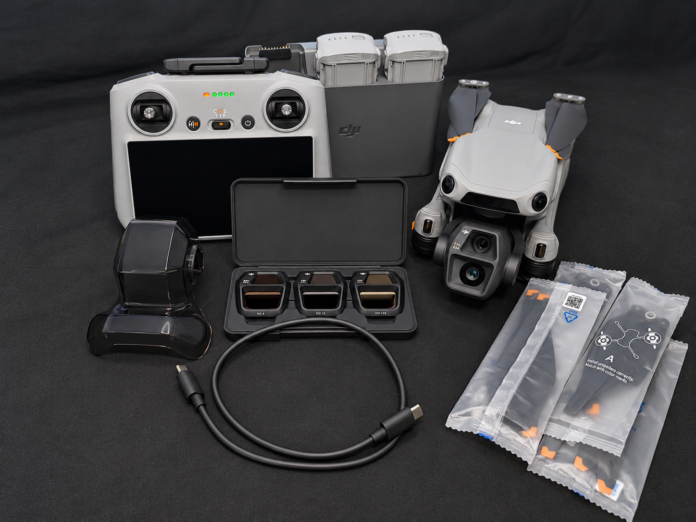
- Understand the equipment: Learn the drone, controller, camera settings, flight functions and accessories.
- Practise the fundamentals: Improve flying confidence, photography, composition and video movements.
- Build a portfolio: Capture and organise original work that demonstrates my skills.
- Explore professional workflows: Learn how to plan shoots, understand deliverables and work with client requirements.
- Experiment with mapping: Learn image capture, photogrammetry, processing and output validation.
- Document genuine projects: Share the process, results and lessons learned from real work when I have permission to publish them.
I do not want to rush through these stages just to create content. I want each stage to build on the skills developed before it.
I also want the content to remain useful after a particular video or article has been published. A well-explained tutorial, a carefully documented test or a practical workflow can continue helping readers long after the original upload.
That is the kind of resource I want AerialGO to become.
9. What You Can Expect From My DJI Air 3S Journey
As I continue working with the DJI Air 3S, I plan to share beginner-friendly tutorials, practical tests, photography tips, camera settings, accessory experiences and editing workflows.
I also want to document the transition from practising individual skills to creating complete aerial projects.
Some content will focus on the creative side of drones, such as capturing cinematic footage and improving aerial photographs. Other content will explore technical topics, including photogrammetry, mapping software and the limitations of different workflows.
I will share what I learn, what works well, and what I would approach differently next time.
If a topic requires equipment or experience that I do not yet have, I will treat it as a learning or research project rather than claiming to have tested it.
For me, progress is not just about capturing one impressive photograph. It is about developing a repeatable process, understanding the results and becoming more capable with every project.
Final Thoughts
Choosing the DJI Air 3S was the beginning of a larger learning journey for me.
I wanted to explore aerial photography, create better videos, understand drone technology and gradually learn how drones can be used in practical applications. I also wanted a way to share that journey with people who have similar interests.
There is still a great deal to learn, and that is part of what makes the process interesting.
Through AerialGO, I want to document the experiments, explain the techniques and show the progress from one stage to the next.
I hope this journey will help other drone owners learn something useful, find ideas for their own projects and understand what is possible when they combine practice with curiosity.
I didn’t choose the DJI Air 3S just to fly a drone. I chose it to learn, create and build something with it.
Follow AerialGO as I continue exploring aerial photography, videography, drone mapping and the many ways drones can be used to create something meaningful.