
Indian drone rules have changed the way drones are used in the country. The Drone Rules India 2021 have made drone operations simpler, safer, and more practical for businesses, startups, students, and drone users with its launch. The rules were intended to encourage innovation but also to ensure the safety of the airspace for everyone.
If you are a beginner drone buyer or a business owner who wants to use drones, this guide covers the most important parts of Drone Rules India in a clear and topic-wise way.
Table of Contents
1. Introduction to Indian Drone Rules
1.1 What Are Indian Drone Rules?
The Indian Drone Rules are the official laws issued by the Ministry of Civil Aviation to govern the use of drones in India. These rules cover who can fly drones, where drones can fly, what permissions are needed, and how drones should be registered and operated.
In general, Indian drone rules are intended to make flying drones legal, safe, and easy to manage. They also help India to develop an environment for drone manufacturing, training, research, and commercial use.
1.2 Why Were Drone Rules Introduced in India?
Drone laws were more complicated prior to these regulations. The approval process was confusing to a lot of users. In order to cut down on paperwork and promote responsible drone use, the new Indian Drone Rules were developed.
The main goals of Drone Rules India are:
- to support Indian drone companies
- to encourage startups and innovation
- to make drone permissions easier
- to improve safety in the airspace
- to allow more practical use of drones in business and research
1.3 Who Must Follow Indian Drone Rules?
The Indian Drone Rules apply to many people and organizations, including:
- drone owners
- drone operators
- drone manufacturers
- drone sellers and importers
- drone training organizations
- companies that maintain drones
These rules apply to all drones registered in India and also to drones being operated in or over India. However, drones used by the Indian Army, Navy, and Air Force are not covered under these rules.
2. Drone Categories and Certification Rules:
2.1 What Are Drone Categories Under Drone Rules India
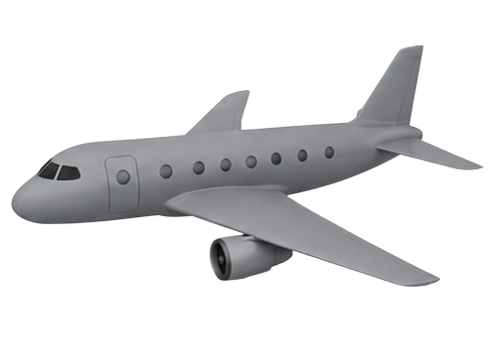
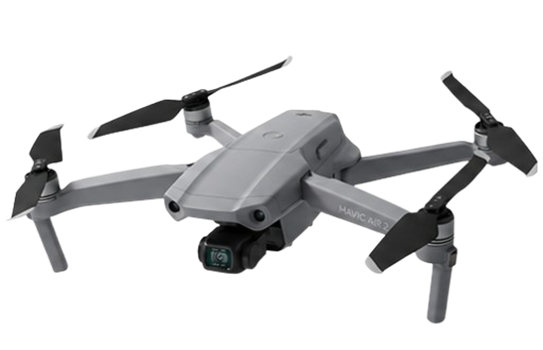
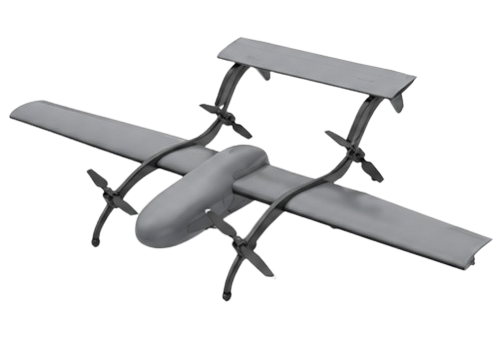
The Indian Drone Rules classify drones in two main ways: by design and by weight.
Based on Design
Drones are divided into the following:
- aeroplane
- rotorcraft
- hybrid unmanned aircraft
Based on Weight
Drones are also divided into five classes:
| Drone Category | Weight Range |
|---|---|
| Nano | Up to 250 grams |
| Micro | More than 250 grams and up to 2 kg |
| Small | More than 2 kg and up to 25 kg |
| Medium | More than 25 kg and up to 150 kg |
| Large | More than 150 kg |
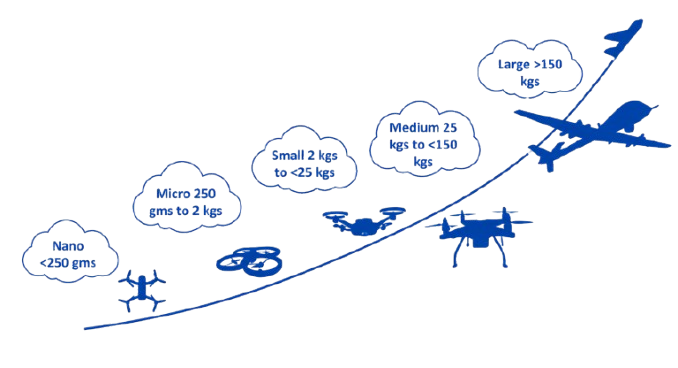
This classification matters because rules for registration, license, and operation depend on the drone’s size and purpose.
2.2 Type Certificate in Indian Drone Rules
The Type Certificate is a key component of the Indian Drone Rules. This is a safety certification that verifies that a drone model meets government standards.
A drone usually requires a type certificate before it can be sold or operated in India, unless exempted.
The certification process involves:
- submitting an application on the Digital Sky Platform
- testing the drone through an authorized testing body
- receiving approval from the Directorate General of Civil Aviation (DGCA)
The government has also encouraged the use of Indian technology and the NavIC navigation system under Drone Rules India.
2.3 Which drones do not need a type certificate?
Under the Indian Drone Rules, nano drones and model remotely piloted aircraft systems do not require a Type Certificate, making it easier for hobby and educational users to operate small drones legally.
2.4 Safety Features Under Drone Rules India
The government could require drones to have safety features such as the following:
- No Permission, No Takeoff
- real-time tracking beacon
- geo-fencing
These features help increase the safety of flights and prevent drones from entering restricted areas.
2.5 What is geofencing?
Geofencing means that the drone is automatically prevented from flying into a restricted zone. This is an important safety tool in modern drone operations.
3. Drone Registration and Airspace Regulations:
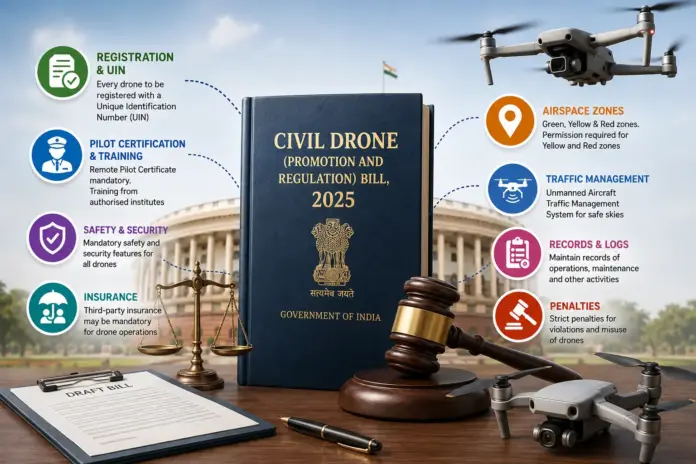
3.1 Drone Registration and Unique Identification Number
Under the Indian Drone Rules, most drones must be registered on the Digital Sky Platform before flying legally, and after registration the drone receives a Unique Identification Number (UIN), which acts as an official identity linked to the drone owner.
3.2 Airspace Zones in Drone Rules India
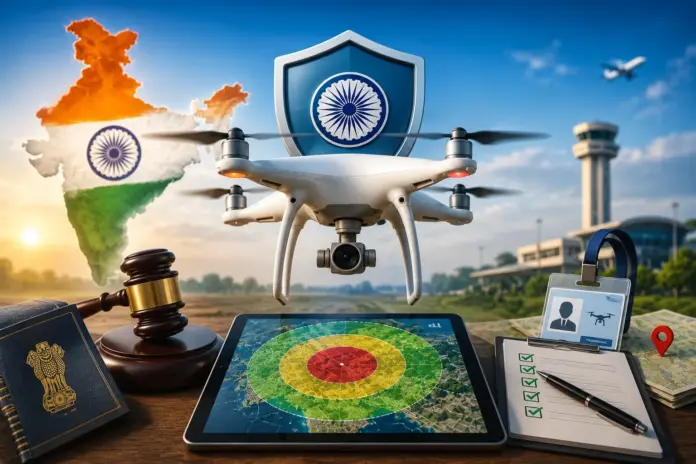
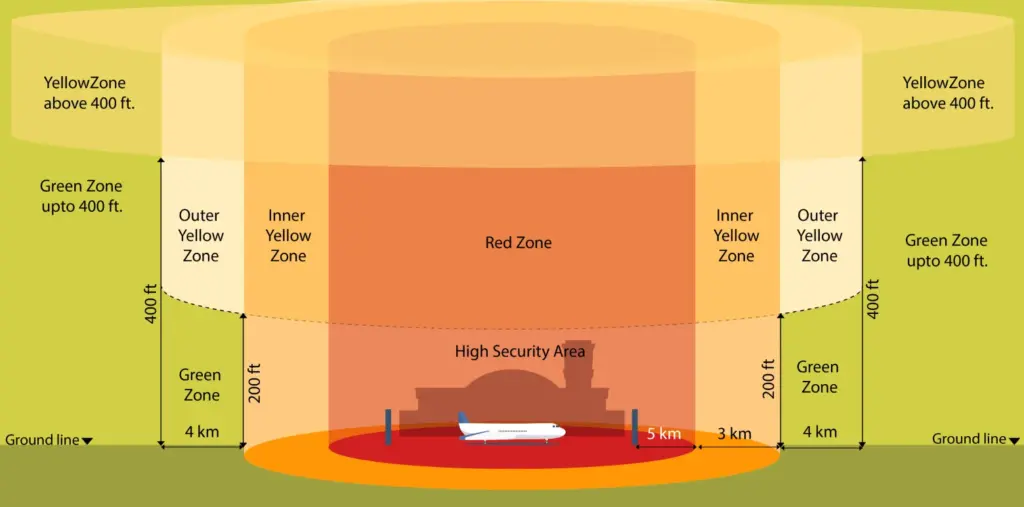
The airspace zoning system is one of the most important parts of the Drone Rules India. To enhance safety and prevent conflicts with the operations of aircraft, the Indian government has categorized the country’s airspace into three different zones for flying drones – Green Zone, Yellow Zone, and Red Zone. Every drone pilot is required to check these zones on the Digital Sky Platform before flying.
Green Zone
The Green Zone is the least restrictive zone for drones. In most cases, drone pilots do not need pre-authorization to fly in this zone.
- In green areas drones can fly up to 400 feet (120 meters).
- Green zones are safe zones where you can fly drones for photography and videography, surveying, mapping, agriculture, and hobbyist use.
However, before each flight, pilots still must check the area on the Digital Sky Platform, as the status of zones may be temporarily changed for security or emergency reasons.
Yellow Zone
The Yellow Zone is a restricted airspace where drone flights are limited and require permission from the relevant Air Traffic Control (ATC) authority.
- A yellow zone is any airspace over 400 feet in a green zone.
- Also, the airspace from 5 km to 8 km around an airport is called the Inner Yellow Zone, and the area from 8 km to 12 km is known as the Outer Yellow Zone.
- Drone pilots must get permission before flying in this area.
Yellow zones are also set up around airports and controlled airspaces where aircraft are more likely to be moving to keep everyone safe.
Red Zone
Under the Indian Drone Rules, the Red Zone is the most restricted category of airspace. Flying a drone is not permitted in such areas without special approval of the central government.
Red zones can include the following:
- Military regions
- Borders of the Country/world
- Important government websites
- Security-sensitive areas
- Airport areas
- Restricted installations and notified ports
“Unauthorized drone flights in red zones are a serious violation and may result in sanctions or legal action.”
Temporary Red Zones
There are also temporary red zones set up by the government or law enforcement agencies during emergencies, VIP movements, public events, or security situations.
Such temporary restrictions are valid for any time period up to 96 hours and are updated on the Digital Sky Platform.”
The Significance of Airspace Zones
The zoning system makes it easy for drone pilots to know the following:
- Where you can fly drones and Where you can fly drones and
- If you need permission
- Where drones may not be flown
The improved system increases public safety, protects sensitive areas, and helps prevent accidents with manned aircraft.
3.3 Pre-Flight Verification Required
Prior to operating a drone, the remote pilot is advised to check the Digital Sky Platform for any local restrictions or notifications.”
It is very important to understand that the status of airspace may change from time to time under Indian Drone Rules.
For example, a green zone can be subsequently closed for security or emergency reasons. So the pilot must check the zone before departure.
4. Remote Pilot License and Drone Training.
4.1 Remote Pilot License
Many drone operations will need a remote pilot license. The license is granted to trained people and proves their ability to operate drones safely.
4.2 Remote Pilot License Eligibility
To get a remote pilot license under the Indian Drone Rules, a person must be aged between 18 and 65, passed Class 10 or equivalent and undergone training from an authorized remote pilot training organization. The license is effective only when it is listed on the Digital Sky Platform and is valid for 10 years unless suspended or canceled.
4.3 Drone Training Organizations
Under the Indian Drone Rules, only authorized Remote Pilot Training Organizations (RPTOs) can provide training to drone pilots in India. These training organizations are required to meet government standards for quality of training, instructors, classrooms, procedures for testing, and certification systems. This guarantees the right skill development and standardization of drone education and safety across the country.
5. Research, Insurance, and Legal Compliance:
5.1 Research, Development, and Testing Relaxations
The Drone Rules India promotes innovation by providing relaxations to:
- Research institutes
- Educational systems.
- Startups
- Authorized testing entities
- GST-registered drone manufacturers
For research and testing, such groups need not have a type certificate, UIN, prior permission, or remote pilot license if the work is done in a green zone and within the allowed area.
“It’s a big step for drone innovation in the country.”
5.2 Insurance and Safety
The Indian Drone Rules also mention insurance. Like motor vehicle insurance, generally third party insurance is required.
But nano drones can be flown without third-party insurance.
The rule will protect people and property from harm from drone operations.
5.3 Penalties for Breaking Drone Rules India
If someone breaks the rules, then the authorities can take action. Penalties can be:
- Fines
- Suspension of license
- Certificate Revocation
- Cancellation of registration
“Safety and restricted zone violations are strictly enforced. This is because unsafe use of drones could affect public safety and aircraft movement.
The maximum punishment can be up to Rs 1 lakh.
6. Importance of Indian Drone Rules
6.1 Why Indian Drone Rules Matter
The Indian Drone Rules are important because they simplify the use of drones while ensuring safety. These help India grow in areas such as the following:
- Aerial photography
- Mapping and surveying
- Agriculture
- Inspection
- Delivery Disaster management
- Security and surveillance
These rules also promote “Make in India” and aid in building a strong drone industry in the country.
6.2 Conclusion
The Indian Drone Rules are a giant leap for the drone industry. They facilitate registration, licensing, and permissions while encouraging safe and legal use of drones. If you are interested in the drone business or drone training or drone flying, you must know about Drone Rules India.
Basically, these rules make it easier for drones to fly the right way in India. They help growth, increase safety, and create opportunities for more drone-based opportunities across a variety of industries.
This article is published for general informational and educational purposes only. While every effort has been made to simplify and accurately explain the Indian Drone Rules 2021, readers are advised to refer to the official DGCA and Ministry of Civil Aviation notifications for complete and the latest legal information. Drone regulations may change over time, and the author or publisher shall not be held responsible for any actions taken based on this content.